
After the Gunfire: Zamboanga Schools Face Hard Questions on Safety, Care, and Prevention on NewsLine Philippines - Building Information Highway for the Community
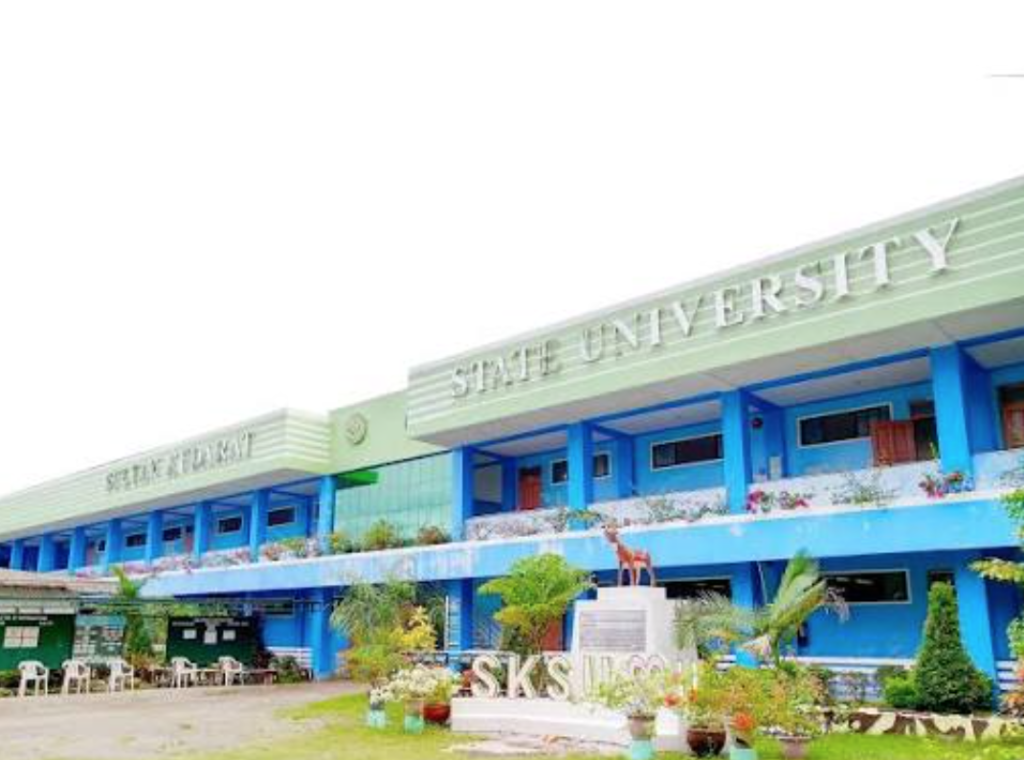
ZAMBOANGA CITY (August 21) — The killing of two junior high school students in a school shooting in Tumaga has shaken the city and reopened urgent questions about how safe schools really are — and how a child was able to bring a gun into a place meant for learning.
The August 18 incident, involving two minors and firearms inside school grounds, left two students dead and triggered renewed calls for tighter school security and stronger child protection systems.
The Commission on Human Rights (CHR) Region IX, which conducted an immediate investigation, said one of the most pressing concerns is not only what happened inside the school, but how a minor gained access to a firearm in the first place.
For investigators and child protection advocates, that gap points to a deeper system failure — one that extends beyond school premises.
Not just a school security issue
Schools are expected to be safe spaces for children. But the presence of a firearm inside campus shows that security measures alone are not enough.
The CHR has called for stronger safeguards that go beyond guards and checkpoints, including tighter controls on firearm access and better access to mental health and psychosocial support for students.
But officials stress that schools cannot carry this burden alone.
Families, communities, local governments, and national agencies all play a role in spotting risks early and building a protective environment around children.
The key question raised by the incident is not only how the weapon entered the school, but what conditions allowed it to happen — from firearm storage at home to gaps in supervision and missed warning signs in the community.
A child at the center of a tragedy
The shooting has also placed the juvenile justice system under scrutiny.
While there is strong public demand for accountability, the CHR has urged caution in drawing conclusions about the minor involved until all facts are established.
This does not lessen the gravity of the crime or the pain of the victims’ families. Instead, it reflects a core principle in child protection: children who commit serious harm are often themselves shaped by neglect, exposure to violence, or lack of support.
A rights-based approach, the CHR said, does not excuse responsibility — but ensures that responses are appropriate to a child’s age and development, while also addressing the conditions that led to the act.
Authorities, it added, must look beyond what happened and ask what failed before it happened.
Schools trying to heal
For students who witnessed the shooting, the impact may last far longer than the investigation.
Classrooms can become sources of fear. Parents may hesitate to send their children back. Teachers are left managing grief, anxiety, and trauma while trying to restore normal school life.
This is why psychosocial support is now seen as essential, not optional.
The CHR has urged government agencies and schools to ensure that mental health services are accessible and integrated into the recovery process.
Restoring safety, it said, is not only about securing buildings — it is also about rebuilding trust between children and the institutions meant to protect them.
Public and media responsibility
In the aftermath of the shooting, another concern has emerged: the rapid spread of names, photos, and videos of the children involved online.
The CHR has appealed to the public to avoid sharing any material that could identify minors or deepen the trauma of affected families and school communities.
It also reminded journalists to report responsibly — avoiding sensational coverage, graphic content, and unverified claims about motives or mental health.
When children are involved, the CHR said, reporting must prioritize dignity and protection over public curiosity.
Information should help communities understand the issue and prevent future violence — not turn tragedy into spectacle.
Preventing the next tragedy
The Tumaga shooting has once again exposed how fragile school safety can be when multiple systems fail at once.
Preventing a repeat, experts say, will require more than tighter school security. It means addressing firearm access, strengthening child protection systems, improving coordination between schools and families, and ensuring early intervention for at-risk children.
It also means moving beyond a purely punitive response.
The loss of two young lives demands accountability. But preventing future violence requires a broader effort to fix the conditions that allow such incidents to happen.
For the CHR, the message is clear: accountability, protection, and prevention must work together — not in isolation.
Schools, it stressed, must remain places where children can learn without fear, and where signs of crisis are recognized early enough to save lives before violence occurs again.
The post After the Gunfire: Zamboanga Schools Face Hard Questions on Safety, Care, and Prevention appeared first on NewsLine Philippines.
After the Gunfire: Zamboanga Schools Face Hard Questions on Safety, Care, and Prevention
Newspaper Updates PH
0 comentários :
Post a Comment