
Big Fuel Price Rollback to Take Effect Despite Strait of Hormuz Concerns on NewsLine Philippines - Building Information Highway for the Community
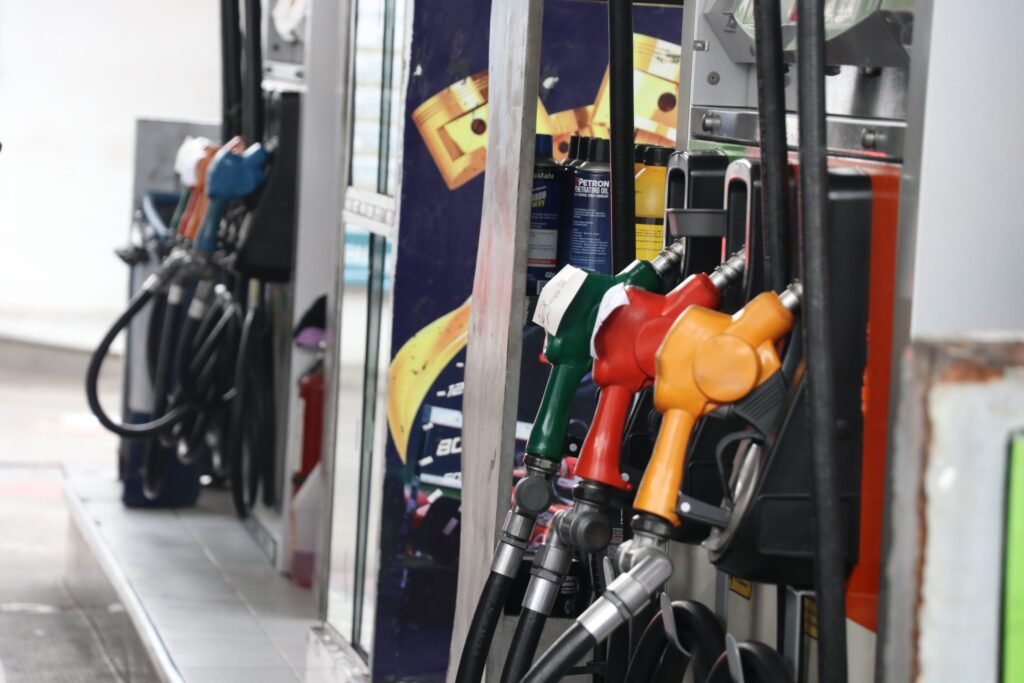
MANILA (June 23) — Motorists are set to enjoy one of the largest fuel price rollbacks this year as pump prices are expected to drop significantly this week, despite renewed uncertainty surrounding the Strait of Hormuz, a key global oil shipping route.
According to the Department of Energy (DOE), fuel prices from June 23 to June 29 will continue to reflect movements in the international oil market during the previous trading week, before the latest geopolitical developments affected market sentiment.
Expected Fuel Price Adjustments
The DOE projects the following price reductions:
- Diesel: down by P9.04 to P11.04 per liter
- Kerosene: down by P9.82 to P11.82 per liter
- Gasoline: down by P3.90 to P5.90 per liter
The rollback is expected to provide substantial relief to motorists, transport operators, farmers, fisherfolk, and businesses that have been burdened by elevated fuel costs in recent months.
Why Prices Are Still Falling This Week
Energy Secretary Sharon Garin explained that weekly fuel price adjustments are based on previous market trading periods. As a result, any new developments involving tensions in the Middle East or disruptions in oil shipping routes are unlikely to affect this week’s pump prices.
“If anything happens today or tomorrow, fuel prices should not change from Tuesday to Monday next week,” Garin said.
Strait of Hormuz Remains a Global Risk
The bigger concern lies in what happens next.
The Strait of Hormuz is one of the world’s most critical energy chokepoints, carrying a significant portion of global crude oil and liquefied natural gas exports. Any disruption in traffic through the narrow waterway can quickly push international oil prices higher.
Recent reports that Iran-linked groups may condition the reopening of the route on developments related to regional ceasefire arrangements and sanctions relief have renewed uncertainty in global energy markets.
According to Garin, any impact from these developments would likely be reflected in fuel price adjustments for the following week rather than the current one.
Energy Emergency Still in Place
Despite reports of possible diplomatic progress between the United States and Iran, Garin said it is too early to recommend lifting the country’s state of national energy emergency.
“This is not yet certain. Only when there is already an agreement can we review what to do next,” she said.
The DOE continues to monitor international developments closely, warning that fuel prices remain highly vulnerable to geopolitical decisions and conflicts in West Asia.
Implications for Filipino Households
The rollback is expected to ease transportation and logistics costs and may help temper inflationary pressures, particularly on food and essential commodities. However, analysts caution that any prolonged disruption in Middle Eastern oil supply routes could quickly reverse recent gains.
For consumers, the current rollback offers immediate relief, but the situation underscores the Philippines’ continued vulnerability to global oil market shocks due to its heavy dependence on imported petroleum products.
The coming week will therefore be critical in determining whether the current decline in fuel prices marks the beginning of a longer easing trend or merely a temporary reprieve before another round of increases driven by geopolitical tensions.
The post Big Fuel Price Rollback to Take Effect Despite Strait of Hormuz Concerns appeared first on NewsLine Philippines.
Big Fuel Price Rollback to Take Effect Despite Strait of Hormuz Concerns
Newspaper Updates PH
0 comentários :
Post a Comment