
3,560 girls aged 10–14 gave birth in 2024. Education isn’t optional anymore, CPD says on NewsLine Philippines - Building Information Highway for the Community
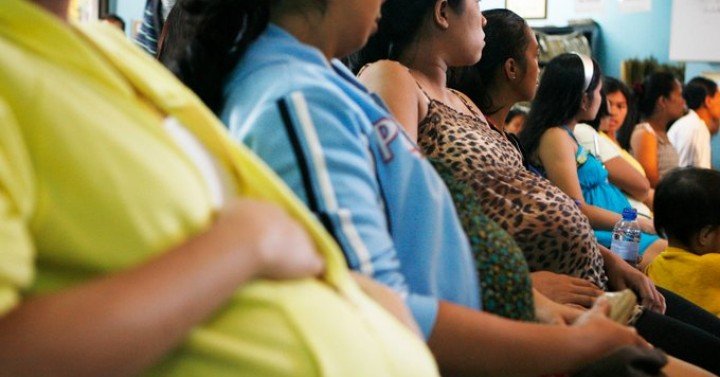
DAVAO CITY (February 18) — When more than 3,500 children give birth in a single year, it is no longer a “family issue.” It is a national alarm.
Data from the Philippine Statistics Authority (PSA) show that 3,560 girls aged 10 to 14 gave birth in 2024 — up from 3,343 in 2023. Overall, 138,697 live births were recorded among females aged 10 to 19.
For the Commission on Population and Development (CPD), the upward tick among the youngest age group is especially alarming.
“So, gusto talaga natin na mayroon talagang link ang education… because education is always a protective factor against early sexual engagement and early pregnancy and early childbirth,” said CPD Information and Communication Management Division chief Mylin Mirasol Quiray in a televised interview.
But behind the statement lies a deeper tension: education has long been identified as the solution — yet the numbers remain stubborn.
Ten years old. Eleven. Twelve.
At ages when most children are navigating elementary school, thousands are entering motherhood.
Experts say pregnancies among 10- to 14-year-olds often point to deeper vulnerabilities — including poverty, abuse, coercion, and lack of access to accurate information or services. Many of these girls come from low-income households where dropping out of school compounds the risk.
The CPD acknowledges that poverty and limited educational opportunities increase vulnerability. Yet in many communities, conversations about reproductive health remain taboo — leaving social media and peers to fill the silence.
The cost of silence
The economic implications are also staggering. Citing a study by economist Dr. Alejandro Herrin, Quiray noted that teenage pregnancy results in an estimated PHP33 billion in annual economic losses — from lost productivity to increased social support needs.
That figure does not capture the personal cost: interrupted schooling, repeat pregnancies, and diminished employment prospects. Nor does it measure the long-term impact on children born into already fragile circumstances.
Despite years of policy discussions, the Philippines continues to grapple with early pregnancy rates that outpace many of its regional peers.
Policies on paper, realities on the ground
The CPD is pushing for stronger reproductive health education integrated into the curriculum of the Department of Education (DepEd), alongside continued implementation of Executive Order No. 141, which adopts a whole-of-government approach to adolescent pregnancy prevention.
Programs like “Parent-Teen Talk,” rolled out with local government units, aim to bridge communication gaps at home.
But implementation remains uneven. In some areas, teachers lack training or resources. In others, resistance from conservative groups dilutes discussions to biology lessons stripped of context about consent, power dynamics, or digital risks.
Meanwhile, misinformation thrives online.
Quiray identified social media myths, lack of parental guidance, and limited access to youth-friendly services as key contributors to unplanned pregnancies.
Beyond prevention: keeping girls in school
The CPD also emphasized the need to help young mothers return to school and acquire skills to avoid repeat pregnancies.
Yet this too presents challenges. Stigma, childcare burdens, and financial strain often push teenage mothers permanently out of the classroom.
Without sustained intervention, the cycle repeats — early motherhood leading to poverty, and poverty increasing vulnerability to early motherhood.
A community responsibility
For online community readers, the numbers are not abstract statistics. They represent classmates, neighbors, relatives — children raising children.
The CPD’s message is clear: education is not merely academic attainment. It is protection.
But experts warn that education cannot stand alone. It must be paired with accessible services, safe reporting mechanisms for abuse, economic support for families, and honest conversations at home.
With 3,560 births among 10- to 14-year-olds in a single year, the question is no longer whether early pregnancy is a problem.
The question is whether communities are ready to confront it openly — and consistently — before another year of “alarming” data arrives.
The post 3,560 girls aged 10–14 gave birth in 2024. Education isn’t optional anymore, CPD says appeared first on NewsLine Philippines.
3,560 girls aged 10–14 gave birth in 2024. Education isn’t optional anymore, CPD says
Newspaper Updates PH
0 comentários :
Post a Comment